Acetone Uses: Industrial and Everyday Applications
The uses of acetone range from industrial cleaning and manufacturing to paints, coatings, laboratories, cosmetics, plastics, adhesives, and chemical production.
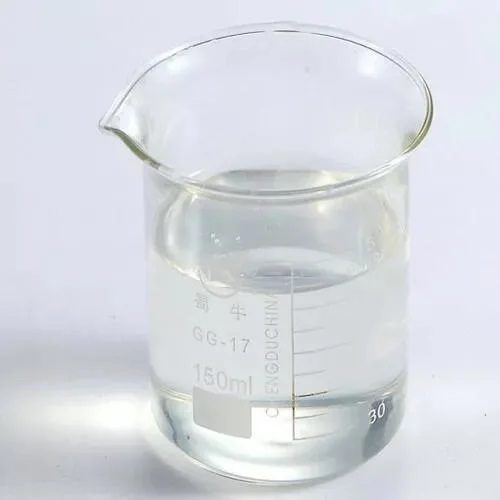
Acetone, also known as propanone or propan-2-one, is a clear, colourless, and highly volatile organic solvent. Its ability to dissolve oils, grease, resins, and many other organic materials makes it one of the most versatile solvents used across industry.
Its rapid evaporation is another important property. After performing its solvent or cleaning function, acetone evaporates quickly, making it useful for applications where fast drying is required.
So, what is acetone used for? Below are 12 of its most important applications.
What Is Acetone?
Acetone is the simplest member of the ketone family and has the chemical formula C₃H₆O.
Important properties include:
- Chemical Name: Propan-2-one
- Common Name: Acetone
- Chemical Formula: C₃H₆O
- CAS Number: 67-64-1
- Appearance: Clear, colourless liquid
- Boiling Point: Approximately 56°C
- Solubility: Miscible with water
- Evaporation: Rapid
- Main Function: Solvent
- Safety: Highly flammable
These properties explain the wide range of acetone uses across manufacturing, maintenance, and chemical processing.
What Are the Main Uses of Acetone?
Some of the most common uses of acetone include:
- Industrial cleaning and degreasing
- Paints and coatings
- Surface preparation
- Chemical manufacturing
- Plastics and polymers
- Adhesives
- Laboratory cleaning
- Pharmaceutical manufacturing
- Cosmetics and nail products
- Automotive applications
- Textile processing
- Resin manufacturing
Let’s examine each application in more detail.
1. Acetone for Industrial Cleaning
One of the most important uses of acetone is industrial cleaning and degreasing.
Acetone can dissolve many oils, greases, adhesives, and organic residues.
Industrial applications include:
- Cleaning machinery
- Degreasing metal components
- Cleaning tools
- Removing oil residues
- Removing compatible adhesive residues
- Cleaning manufacturing equipment
- Preparing components for further processing
Its rapid evaporation is particularly useful when manufacturers require surfaces to dry quickly.
2. Acetone in Paints and Coatings
Acetone is widely associated with the paints and coatings industry.
Depending on the formulation and process, it can be used for:
- Lacquers
- Varnishes
- Coating formulations
- Paint-related processing
- Surface preparation
- Equipment cleaning
- Removing compatible coating residues
Its solvent properties allow it to dissolve many resins and other organic materials used in coatings.
3. Acetone for Surface Preparation
Surfaces often need to be clean and free from grease before painting, coating, bonding or other manufacturing processes.
Acetone can be used to remove suitable contaminants before:
- Painting
- Coating
- Adhesive bonding
- Sealing
- Repair work
- Industrial assembly
However, acetone can damage certain plastics, coatings and painted surfaces.
Material compatibility should therefore be checked before application.
4. Acetone in Chemical Manufacturing
Another major industrial use of acetone is as a chemical intermediate.
A chemical intermediate is a substance used during the manufacture of other chemicals or materials.
Acetone is an important feedstock associated with the production of chemicals and materials such as:
- Methyl methacrylate
- Bisphenol A
- Resins
- Plastics
- Specialty chemicals
- Polymer-related products
Therefore, acetone is important not only as a solvent but also as a raw material within chemical manufacturing.
5. Acetone Uses in Plastics and Polymers
Acetone can dissolve or soften certain plastics, polymers, and resins.
This property makes it useful in selected:
- Polymer processing
- Resin processing
- Manufacturing operations
- Equipment cleaning
- Surface preparation
- Removal of polymer residues
However, this also means acetone should not be used indiscriminately on plastic.
Some plastics can soften, become cloudy, deform, or dissolve when exposed to acetone.
6. Acetone in Adhesives
The adhesive industry represents another important application.
Depending on the formulation, acetone may function as:
- A processing solvent
- A formulation solvent
- A cleaning solvent
- An adhesive residue remover
It can also be used to clean suitable tools and manufacturing equipment after adhesive processing.
7. Acetone Uses in Laboratories
Laboratories frequently use acetone as a solvent and cleaning agent.
Common laboratory applications include:
- Cleaning glassware
- Cleaning equipment
- Removing organic residues
- Preparing suitable surfaces
- Selected sample-preparation procedures
Because acetone evaporates rapidly, cleaned laboratory equipment can dry relatively quickly.
The required purity grade should always match the laboratory application.
8. Acetone in Pharmaceutical Manufacturing
Acetone also has applications in pharmaceutical and fine-chemical manufacturing.
Depending on the process, suitable grades can function as:
- Processing solvents
- Cleaning solvents
- Chemical intermediates
- Manufacturing aids
Pharmaceutical manufacturing requires appropriately specified grades and controlled production procedures.
Industrial-grade acetone should not automatically be substituted where pharmaceutical-grade material is required.
9. Acetone Uses in Cosmetics
One of the best-known everyday uses of acetone is nail polish removal.
Acetone effectively dissolves many nail coatings, which explains its use in:
- Nail polish removers
- Nail product removal
- Professional nail applications
- Selected cosmetic-manufacturing processes
Cosmetic applications require appropriate product grades and compliance with applicable regulations.
10. Acetone in Automotive Applications
Acetone’s solvent and degreasing properties also make it useful in automotive workshops and engineering facilities.
Applications can include:
- Degreasing metal components
- Cleaning tools
- Surface preparation
- Removing compatible adhesives
- Cleaning selected mechanical components
- Maintenance operations
Care should be taken around painted surfaces, plastics, rubber and other materials that may be affected by strong solvents.
11. Acetone in Textile Processing
Acetone can also have applications within textile and fibre-processing operations.
Depending on the process, it may be used for:
- Solvent applications
- Equipment cleaning
- Removing suitable residues
- Chemical processing
- Manufacturing operations
The appropriate solvent should always be selected according to the fibres, dyes and other materials involved.
12. Acetone in Resin Manufacturing
Acetone’s ability to dissolve many resinous materials makes it useful across resin and composite manufacturing.
Potential applications include:
- Resin processing
- Equipment cleaning
- Manufacturing operations
- Removing uncured compatible residues
- Surface preparation
Material compatibility and workplace safety procedures remain important when acetone is used in these applications.
Why Is Acetone Such a Useful Solvent?
The extensive use of acetone can be explained by several physical and chemical characteristics.
Strong Solvent Properties
Acetone can dissolve many oils, greases, waxes, resins, and organic compounds.
Rapid Evaporation
Its relatively low boiling point allows it to evaporate quickly after application.
Water Miscibility
Acetone mixes completely with water and also combines with many organic solvents.
Versatility
The same chemical can function as a:
- Cleaning solvent
- Degreaser
- Processing solvent
- Chemical intermediate
- Manufacturing aid
- Surface-preparation solvent
This combination makes acetone valuable across many industries.
Industrial Uses of Acetone
While acetone is familiar to many people because of nail polish remover, industrial consumption extends much further.
Major industries using acetone include:
- Chemical manufacturing
- Paints and coatings
- Automotive manufacturing
- Industrial cleaning
- Plastics and polymers
- Adhesives
- Pharmaceuticals
- Laboratories
- Cosmetics
- Textiles
- Resins and composites
Industrial customers should select the correct acetone grade according to the intended application.
Acetone Grades
Not every acetone product has the same specification.
Industrial or Technical Grade Acetone
Industrial-grade acetone is commonly suitable for applications such as:
- Degreasing
- Industrial cleaning
- Manufacturing
- Coatings
- Adhesives
- Resin processing
High-Purity Acetone
Higher-purity specifications may be required for:
- Laboratory work
- Pharmaceutical manufacturing
- Electronics
- Specialized chemical production
- Controlled manufacturing processes
Always verify the required specification before purchasing.
Acetone vs Other Industrial Solvents
The correct solvent depends on the material being dissolved, evaporation requirements, process conditions, safety considerations, and manufacturing application.
Acetone is particularly useful where manufacturers require:
- Strong solvency
- Rapid evaporation
- Water miscibility
- Fast surface drying
Other solvents such as xylene, glycol ethers, or alcohols may perform differently and can be more appropriate for certain formulations.
Therefore, solvent selection should be based on the specific manufacturing process rather than assuming one solvent is suitable for every application.
Is Acetone Flammable?
Yes. Acetone is highly flammable.
Its vapours can form flammable mixtures with air, so it should be kept away from:
- Flames
- Sparks
- Hot surfaces
- Ignition sources
Facilities using substantial quantities should implement appropriate flammable-liquid storage and workplace controls.
Acetone Safety and Handling
Despite the many useful applications of acetone, proper handling is essential.
Industrial users should:
- Read the product Safety Data Sheet
- Wear suitable personal protective equipment
- Provide adequate ventilation
- Avoid unnecessary skin and eye contact
- Keep containers closed when not in use
- Prevent exposure to ignition sources
- Follow applicable workplace procedures
High vapour concentrations can cause irritation and other adverse effects.
How Should Acetone Be Stored?
Acetone should be stored in appropriate containers in a cool and well-ventilated area.
Storage considerations include:
- Keep away from heat and ignition sources
- Use suitable flammable-liquid storage
- Keep containers securely closed
- Use compatible storage materials
- Follow SDS instructions
- Maintain appropriate spill controls
Bulk industrial storage should comply with applicable workplace, fire, and chemical-storage requirements.
Frequently Asked Questions About Acetone
What are the main uses of acetone?
The main uses of acetone include industrial cleaning, degreasing, paints and coatings, chemical manufacturing, plastics, adhesives, laboratories, cosmetics and pharmaceutical processing.
What is acetone most commonly used for?
Acetone is widely used as a solvent. Industrial applications include cleaning, degreasing, manufacturing, coatings, chemical synthesis and processing.
What is acetone used for in manufacturing?
Manufacturers use acetone for cleaning, degreasing, surface preparation, resin processing, coatings, adhesives, and as a chemical intermediate.
Is acetone used for cleaning?
Yes. Acetone can remove many oils, greases, resins, adhesives, and organic residues from compatible surfaces.
Can acetone remove grease?
Yes. Its ability to dissolve oils and grease makes degreasing one of the major industrial uses of acetone.
Can acetone dissolve plastic?
Acetone can dissolve or damage certain plastics and polymers. It should therefore be tested for material compatibility before application.
What is acetone used for in cosmetics?
Its most familiar cosmetic application is nail polish removal. Suitable grades may also be used in selected cosmetic-manufacturing processes.
Is acetone used in paint?
Acetone has applications in paints, coatings, lacquers and related manufacturing and cleaning operations.
Is acetone dangerous?
Acetone is highly flammable and can cause irritation or adverse effects at sufficiently high exposure levels. Appropriate ventilation, PPE, storage, and workplace controls should be used.
Conclusion
The numerous uses of acetone demonstrate why it remains an important solvent and chemical raw material.
It is used across industrial cleaning, degreasing, paints and coatings, plastics, adhesives, laboratories, pharmaceuticals, cosmetics, automotive operations, textiles, resins, and chemical manufacturing.
Its combination of strong solvency, rapid evaporation, and water miscibility makes acetone particularly useful for industrial processes requiring effective cleaning or fast solvent evaporation.
Businesses requiring commercial quantities should select the appropriate acetone grade according to their technical and manufacturing requirements.
Looking to purchase acetone in bulk? Visit our Industrial Acetone product page for specifications, commercial packaging, and bulk supply enquiries.