Baking Soda and Hydrogen Peroxide: Uses & Safety
Baking soda and hydrogen peroxide are two common chemicals used separately in household cleaning and other applications. They are also sometimes combined for tasks such as stain removal, surface cleaning, and deodorizing.
Baking soda, chemically known as sodium bicarbonate (NaHCO₃), is a mild alkaline compound and gentle abrasive. Hydrogen peroxide (H₂O₂), meanwhile, is an oxidizing agent commonly available in dilute household solutions.
Although combining them can help with certain cleaning tasks, the mixture isn’t suitable for every material or application.
Understanding how hydrogen peroxide and baking soda work, where they can be useful, and when they should not be combined with other chemicals is essential for safe use.
BOXX Chemical Distributor supplies butyl diglycol acetate to industrial buyers requiring reliable bulk chemical supply across South Africa, Southern Africa, and export markets.
What Is Baking Soda?
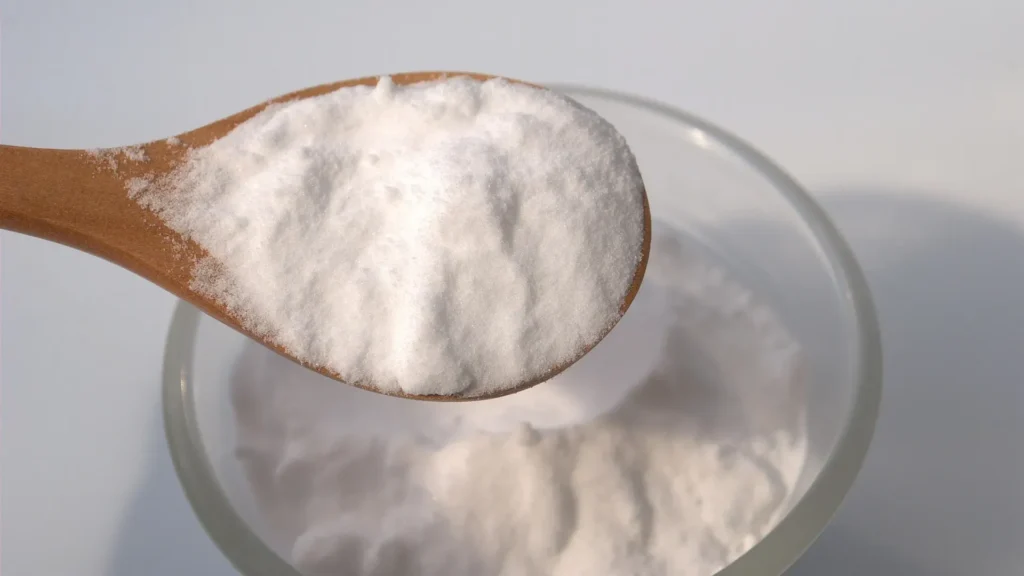
Baking soda is the common name for sodium bicarbonate.
Its chemical formula is:
NaHCO₃
It is a white crystalline powder used in:
- Baking
- Household cleaning
- Deodorizing
- pH adjustment
- Food processing
- Industrial formulations
- Personal-care products
Baking soda is mildly alkaline and can help neutralize certain acidic substances.
Its fine particles also provide mild abrasive action, which explains its popularity for cleaning surfaces.
Bulk Baking Soda Supply
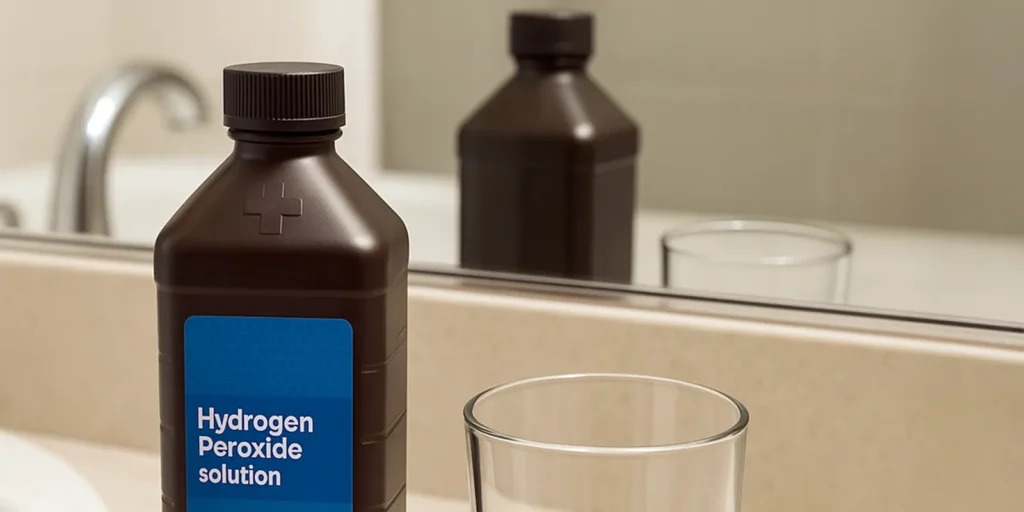
What Is Hydrogen Peroxide?
Hydrogen peroxide is a chemical compound with the formula:
H₂O₂
It is an oxidizing agent used in various concentrations for different purposes.
Applications include:
- Household cleaning
- Stain treatment
- Certain disinfection applications
- Textile processing
- Pulp and paper
- Chemical manufacturing
- Water treatment
- Industrial oxidation processes
Commercial hydrogen peroxide is available in different concentrations.
Industrial hydrogen peroxide can be significantly more concentrated and hazardous than ordinary consumer products and requires appropriate professional handling.
What Happens When You Mix Baking Soda and Hydrogen Peroxide?
When baking soda and hydrogen peroxide are combined, you obtain a mixture that brings together two different cleaning mechanisms.
Baking soda contributes:
- Mild alkalinity
- Deodorizing properties
- Gentle abrasive action
Hydrogen peroxide contributes:
- Oxidizing action
- Stain-breaking capability
- Bleaching action on some materials
This combination explains why the mixture is frequently discussed for household cleaning and stain-removal applications.
However, mixing the two does not create a universal cleaning solution. Performance depends on the type of stain, surface, peroxide concentration, contact time, and other conditions.

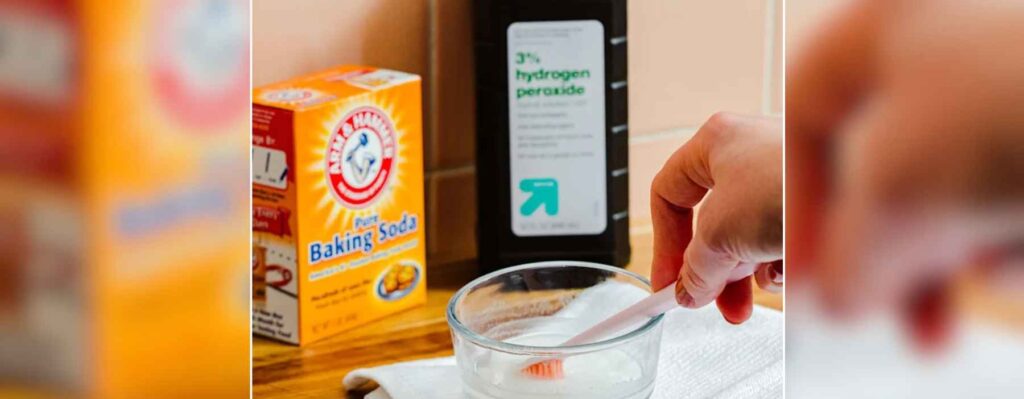
Baking Soda and Hydrogen Peroxide for Cleaning
Cleaning is probably the best-known application of this combination.
A baking soda and hydrogen peroxide mixture can potentially help loosen or remove certain:
- Food residues
- Organic stains
- Surface grime
- Discoloration
- Odours
The mild abrasive action of sodium bicarbonate can provide mechanical cleaning while hydrogen peroxide provides oxidation.
However, users should test the materials involved before applying the mixture over a large area.
Baking Soda and Hydrogen Peroxide for Stains
Hydrogen peroxide is capable of oxidizing some coloured compounds responsible for stains.
Baking soda can provide additional mechanical cleaning and help form a paste when used with a small amount of liquid.
This combination is sometimes used on suitable washable materials for stains caused by:
- Food
- Beverages
- Organic residues
- General household dirt
Not every stain will respond equally.
More importantly, hydrogen peroxide can lighten or discolor certain fabrics and surfaces.
Always check the manufacturer’s cleaning instructions and test an inconspicuous area first.
Baking Soda and Hydrogen Peroxide for Laundry
Both chemicals can have roles in laundry applications.
Baking soda may help with:
- Odour control
- Washing conditions
- General cleaning
Hydrogen peroxide can provide oxidative stain-removal and bleaching action in suitable applications.
However, peroxide-containing products can affect some dyes and fabrics.
The care label and washing-product instructions should therefore take priority over generic cleaning advice.
Baking Soda and Hydrogen Peroxide for Grout
Another frequently discussed application is cleaning grout.
Grout can accumulate:
- Dirt
- Soap residues
- Organic staining
- Discoloration
The abrasive properties of baking soda combined with the oxidizing action of hydrogen peroxide may help clean suitable grout surfaces.
However, the condition and composition of grout, sealants, surrounding tiles, and other materials should be considered before treatment.
Baking Soda and Hydrogen Peroxide for Grout
Another frequently discussed application is cleaning grout.
Grout can accumulate:
- Dirt
- Soap residues
- Organic staining
- Discoloration
The abrasive properties of baking soda combined with the oxidizing action of hydrogen peroxide may help clean suitable grout surfaces.
However, the condition and composition of grout, sealants, surrounding tiles, and other materials should be considered before treatment.
Can Baking Soda and Hydrogen Peroxide Remove Odours?
Baking soda is widely associated with odour control because it can interact with some acidic and basic odour-producing substances.
Hydrogen peroxide, meanwhile, can oxidize certain organic compounds.
Consequently, the combination may help with some odour-producing residues while cleaning.
Nevertheless, persistent odours caused by mould, drainage problems, sewage, chemical contamination, or structural moisture should be addressed at their source rather than simply masked or repeatedly treated.
Can Baking Soda and Hydrogen Peroxide Whiten Surfaces?
Hydrogen peroxide has bleaching properties and may lighten certain stains and materials.
Combining it with baking soda is sometimes used for cleaning light-coloured surfaces.
However, “whitening” is not always desirable.
Hydrogen peroxide can potentially affect:
- Coloured fabrics
- Painted surfaces
- Natural stone
- Finished wood
- Certain metals
- Specialty coatings
Surface compatibility should always be checked first.
Can Baking Soda and Hydrogen Peroxide Whiten Surfaces?
Baking soda and hydrogen peroxide are both associated with some commercially formulated oral-care products.
However, this does not mean that homemade mixtures are equivalent to formulated toothpaste or professionally designed whitening products.
Incorrect concentrations, excessive abrasion, repeated exposure, or inappropriate use can irritate oral tissues or damage teeth.
For routine dental care or whitening, use products specifically formulated for oral use and follow professional dental advice rather than experimenting with concentrated chemical mixtures.
Is Baking Soda and Hydrogen Peroxide Safe for Skin?
Household cleaning advice should not automatically be extended to skin care.
Hydrogen peroxide can irritate skin, particularly at higher concentrations or with repeated exposure.
Baking soda is alkaline and can also irritate or disrupt the skin barrier.
Therefore, homemade baking soda and peroxide mixtures should not be assumed to be safe treatments for acne, pigmentation, wounds, infections, or other skin conditions.
Products specifically formulated and tested for skin use are a safer choice.
Can Baking Soda and Hydrogen Peroxide Be Used for Mould?
Hydrogen peroxide is sometimes used in cleaning applications involving microbial contamination on suitable surfaces.
However, visible mould can indicate a moisture problem.
Simply applying a chemical mixture does not correct:
- Water leaks
- Condensation
- Poor ventilation
- Hidden moisture
- Contaminated porous materials
Significant or recurring mould problems require identification and correction of the underlying moisture source.
Baking Soda vs Hydrogen Peroxide
Although they can sometimes be used together, these chemicals work differently.
| Property | Baking Soda | Hydrogen Peroxide |
| Chemical Name | Sodium bicarbonate | Hydrogen peroxide |
| Formula | NaHCO₃ | H₂O₂ |
| Chemical Character | Mildly alkaline | Oxidizing agent |
| Physical Form | White powder | Liquid solution |
| Cleaning Action | Mild abrasive/deodorizing | Oxidizing/bleaching |
| Common Household Use | Cleaning and odour control | Stain treatment and cleaning |
| Industrial Uses | Food, cleaning, pH control | Bleaching, oxidation, water treatment |
Understanding these differences helps explain why combining the two can provide complementary cleaning effects in appropriate applications.
What Should You Not Mix With Hydrogen Peroxide?
One of the most important issues surrounding household chemical use is avoiding incompatible mixtures.
Hydrogen Peroxide and Bleach
Do not casually mix hydrogen peroxide with chlorine bleach.
Household cleaning chemicals should generally be used individually according to their product labels rather than experimentally combined.
Hydrogen Peroxide and Vinegar
Hydrogen peroxide and vinegar should not be mixed together in the same container. Under certain conditions, they can form peracetic acid, which is irritating and corrosive.
Multiple Cleaning Products
Avoid combining hydrogen peroxide with other cleaning chemicals unless the product manufacturer specifically states that the combination is safe.
More chemicals do not necessarily produce better cleaning.
Safety Precautions
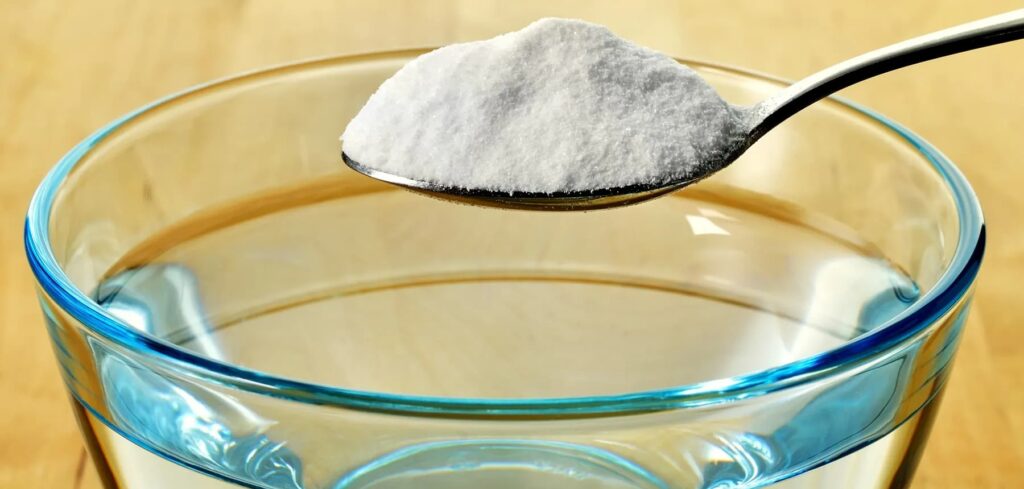
When using baking soda and household hydrogen peroxide for suitable cleaning applications:
- Read product labels first.
- Use only products appropriate for the intended application.
- Provide ventilation when necessary
- Protect eyes from splashes
- Avoid prolonged skin exposure
- Test delicate surfaces first
- Keep chemicals away from children
- Do not transfer chemicals into beverage containers
- Never experiment with concentrated industrial peroxide
- Do not mix with unrelated cleaners
Concentrated industrial hydrogen peroxide requires substantially stricter handling controls than ordinary dilute consumer solutions.
Household vs Industrial Hydrogen Peroxide
This distinction is particularly important.
Household peroxide products are generally sold at relatively low concentrations for specific consumer applications.
Industrial hydrogen peroxide can be supplied at much higher concentrations for processes such as:
- Textile bleaching
- Pulp and paper processing
- Water treatment
- Chemical synthesis
- Industrial oxidation
- Manufacturing
Higher-concentration peroxide has substantially greater oxidizing potential and requires trained handling, compatible storage systems, appropriate PPE, and strict safety procedures.
Industrial products should never be treated as stronger versions of household cleaners.
Industrial Uses of Baking Soda
Sodium bicarbonate also has applications well beyond household cleaning.
Industrial uses include:
- Food manufacturing
- Chemical processing
- pH adjustment
- Flue-gas treatment
- Cleaning formulations
- Pharmaceutical manufacturing
- Personal-care formulations
- Agriculture
- Fire-extinguishing formulations
The required grade depends on the intended application.
Industrial Uses of Hydrogen Peroxide
Hydrogen peroxide is an important industrial oxidizing and bleaching chemical.
Major applications include:
- Pulp and paper bleaching
- Textile processing
- Water and wastewater treatment
- Chemical manufacturing
- Electronics
- Mining and mineral processing
- Industrial cleaning
- Environmental applications
Industrial buyers should select hydrogen peroxide according to concentration, grade, process requirements, storage infrastructure, and applicable regulations.
Frequently Asked Questions
Can you mix baking soda and hydrogen peroxide?
They are sometimes combined for suitable household cleaning and stain-removal applications. However, users should follow product instructions, avoid unnecessary chemical mixing, and test surface compatibility.
What happens when baking soda and hydrogen peroxide are mixed?
The resulting mixture combines the mild alkaline and abrasive characteristics of sodium bicarbonate with the oxidizing properties of hydrogen peroxide.
What is baking soda and hydrogen peroxide used for?
Common discussions involve cleaning, stain removal, deodorizing, grout cleaning, and selected laundry applications.
Do baking soda and hydrogen peroxide remove stains?
The combination may help with certain stains because peroxide can oxidize some stain compounds while baking soda provides mild abrasive cleaning. Results vary according to the stain and material.
Can hydrogen peroxide and baking soda whiten clothes?
Hydrogen peroxide may lighten some stains, but it can also affect dyes and fabrics. Always follow garment-care instructions and test colourfastness first.
Can I mix hydrogen peroxide with vinegar?
They should not be mixed together in the same container because potentially irritating peracetic acid can form.
Can I mix hydrogen peroxide with bleach?
Avoid mixing hydrogen peroxide with chlorine bleach or other household cleaning chemicals unless explicitly directed by a product manufacturer.
Is industrial hydrogen peroxide safe for household cleaning?
Concentrated industrial hydrogen peroxide should not be used as an ordinary household cleaning product. Higher concentrations require professional chemical-handling procedures.
Conclusion
Baking soda and hydrogen peroxide have different chemical properties that can complement each other in certain cleaning applications.
Baking soda provides mild alkalinity, deodorizing action, and gentle abrasion, while hydrogen peroxide provides oxidizing and bleaching action.
This explains why the combination is commonly discussed for cleaning, stain removal, laundry, grout, and odour-related applications.
However, users should remember that hydrogen peroxide is a reactive oxidizer. Surface compatibility, product concentration, manufacturer instructions, and chemical safety all matter.
For industrial applications, sodium bicarbonate and hydrogen peroxide should be selected according to the required grade, concentration, specification, and manufacturing process.