Linear Alkyl Benzene Sulphonic Acid (LABSA)
Learn about Linear Alkyl Benzene Sulphonic Acid (LABSA), its properties, uses in detergents, cleaning products, surfactants, and industrial applications.
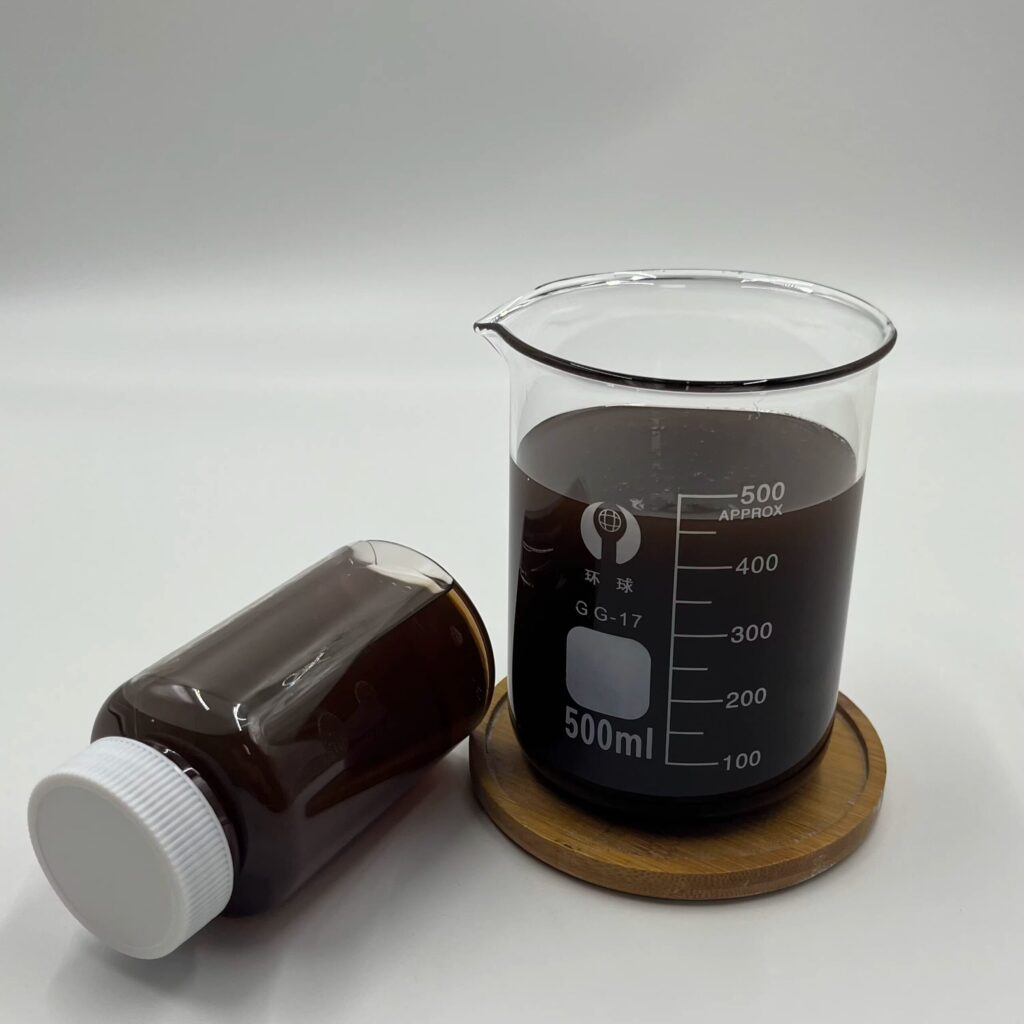
Linear Alkyl Benzene Sulphonic Acid (LABSA) is a key raw material used to manufacture detergents, cleaning products, and other surfactant-based formulations.
LABSA is particularly important to the detergent industry because it can be neutralized to produce linear alkylbenzene sulfonate (LAS), an anionic surfactant widely used in laundry detergents and cleaning products.
Its cleaning, wetting, foaming, emulsifying, and dispersing functions make LABSA an important chemical raw material for household, commercial, and industrial cleaning formulations.
What Is Linear Alkyl Benzene Sulphonic Acid?
Linear Alkyl Benzene Sulphonic Acid is commonly abbreviated as LABSA.
It is produced from linear alkylbenzene and belongs to the alkylbenzene sulfonic acid family.
You may encounter several variations of its name, including:
- Linear Alkyl Benzene Sulphonic Acid
- Linear Alkylbenzene Sulfonic Acid
- LABSA
- Alkylbenzene sulfonic acid
The spelling “sulphonic” is common in British English, while “sulfonic” is commonly used in American English.
Both forms refer to the same general chemical family.
What Is LABSA Used For?
The primary LABSA uses are associated with detergents and cleaning formulations.
Applications can include:
- Laundry detergents
- Dishwashing liquids
- Household cleaners
- Industrial cleaning products
- Commercial detergents
- Institutional cleaners
- Textile processing
- Emulsifying formulations
- Wetting and dispersing systems
- Selected industrial surfactant applications
LABSA’s importance comes primarily from its role as a raw material for producing anionic surfactants.
1. LABSA in Laundry Detergents
One of the largest applications of Linear Alkyl Benzene Sulphonic Acid is detergent manufacturing.
After appropriate neutralization and formulation, LABSA-derived surfactants can provide important detergent functions such as:
- Soil removal
- Wetting
- Foaming
- Emulsification
- Dispersion of oily soils
This makes LABSA an important raw material for manufacturers of both liquid and powdered laundry detergents.
2. LABSA in Liquid Detergents
LABSA is widely associated with liquid detergent manufacturing.
It can be incorporated into professionally designed surfactant systems for products such as:
- Liquid laundry detergents
- General-purpose cleaners
- Commercial cleaning products
- Institutional detergents
The final performance of a detergent depends on the complete formulation rather than LABSA alone.
Other ingredients may include surfactants, builders, chelating agents, fragrances, preservatives, enzymes, and other functional additives.
3. LABSA in Detergent Powder
LABSA-derived surfactants are also widely used in laundry detergent powders.
Their functions can include:
- Wetting fabric
- Loosening oily soil
- Suspending removed dirt
- Supporting cleaning performance
- Providing appropriate foam characteristics
The formulation requirements for powder detergent differ from those for liquid products.
4. LABSA in Dishwashing Liquids
Linear Alkyl Benzene Sulphonic Acid can also be used as a raw material for appropriate dishwashing formulations.
LABSA-derived surfactants can contribute to:
- Grease removal
- Wetting
- Foaming
- Soil dispersion
- Cleaning performance
Manufacturers normally combine different surfactants and supporting ingredients to obtain the required viscosity, foam profile, cleaning performance, and stability.
5. LABSA in Household Cleaners
Household cleaning represents another important application.
LABSA-based surfactant systems may be found in suitable formulations for:
- Multipurpose cleaners
- Floor cleaners
- Surface cleaners
- Laundry products
- Degreasing formulations
- Other household detergents
The required surfactant system depends on the intended surface and cleaning task.
6. LABSA in Industrial Cleaning Products
The applications of LABSA extend beyond household detergents.
Industrial and institutional cleaning products can use LABSA-derived surfactants for the following:
- Equipment cleaners
- Floor-cleaning products
- Vehicle-cleaning formulations
- Commercial detergents
- Institutional cleaning products
- Industrial degreasers
These applications may require different formulations from consumer cleaning products.
7. LABSA in Textile Processing
Surfactants also play important roles in textile manufacturing and processing.
Depending on the process, LABSA-derived surfactants can contribute to:
- Wetting
- Washing
- Scouring
- Dispersing
- Cleaning
- Processing operations
The exact surfactant selected depends on the fibre, manufacturing process, and chemical system involved.
How Does LABSA Work?
LABSA is important because it can be converted into an anionic surfactant through appropriate industrial neutralization.
Surfactants contain molecular regions with different affinities for water and oily materials.
This allows them to help:
- Reduce surface tension
- Improve wetting
- Lift oily material from surfaces.
- Emulsify oils
- Keep removed soils dispersed in wash water.
These properties are fundamental to the performance of many detergents and cleaning products.
LABSA and Linear Alkylbenzene Sulfonate (LAS)
LABSA and LAS are closely related, but they should not be treated as the same material.
LABSA is Linear Alkyl Benzene Sulphonic Acid.
LAS generally refers to the corresponding linear alkylbenzene sulfonate salts formed after neutralization.
This distinction is important for chemical buyers and
detergent manufacturers.
LABSA is commonly purchased as a raw material and then converted or formulated according to the manufacturer’s production process.
LABSA as an Anionic Surfactant Raw Material
Anionic surfactants are surfactants that carry a negative charge in aqueous solution in their functional form.
LAS is one of the most important examples.
Its widespread detergent use is associated with characteristics such as:
- Effective cleaning
- Wetting performance
- Soil dispersion
- Emulsification
- Foaming
- Compatibility with many detergent systems
PubChem identifies linear alkylbenzene sulfonates as major cleaning agents used in consumer, industrial, and commercial laundry detergents and cleansers.
LABSA Properties
Commercial LABSA specifications can vary by manufacturer and grade.
Typical characteristics include:
| Property | Information |
| Product Name | Linear Alkyl Benzene Sulphonic Acid |
| Abbreviation | LABSA |
| Chemical Family | Alkylbenzene sulfonic acids |
| Appearance | Typically brown viscous liquid |
| Chemical Character | Acidic |
| Primary Function | Surfactant raw material |
| Main Industry | Detergent and cleaning products |
| Common Active Matter | Grade dependent |
| Grade | Industrial / detergent grade |
| Solubility | Specification dependent |
Exact active matter, free acid, colour, moisture, and other parameters should be confirmed from the product’s Certificate of Analysis.
LABSA 96%
One of the common commercial specifications is referred to as LABSA 96%.
The designation generally refers to a high-active commercial LABSA grade used in detergent and surfactant manufacturing.
However, buyers should not rely on the product name alone.
Important parameters to check include:
- Active matter
- Free sulphuric acid
- Free oil
- Moisture
- Colour
- Density
- Appearance
The applicable Certificate of Analysis should confirm the actual supplied specification.
LABSA vs SLES
LABSA and Sodium Laureth Sulfate (SLES) are both associated with surfactant formulations, but they are different materials.
| Feature | LABSA | SLES |
| Full Name | Linear Alkyl Benzene Sulphonic Acid | Sodium Laureth Sulfate |
| Chemical Type | Sulfonic acid raw material | Anionic surfactant |
| Major Application | Detergent manufacturing | Cleaning and personal-care formulations |
| Cleaning Function | Strong | Strong |
| Foaming | Good after formulation | Typically strong |
| Common Products | Laundry and industrial detergents | Detergents, cleaners, shampoos |
| Formulation Role | Often neutralized during production | Generally supplied as a formulated surfactant raw material |
The appropriate surfactant depends on the finished product and desired performance.
LABSA vs Sulfonic Acid
The term “sulfonic acid” describes a broad family of organic compounds containing a sulfonic acid functional group.
LABSA is a specific commercial type of alkylbenzene sulfonic acid.
Therefore, LABSA can be described as a sulfonic acid, but not every sulfonic acid is LABSA.
This distinction is useful when purchasing detergent raw materials.
Why Is LABSA Important in Detergent Manufacturing?
LABSA remains an important detergent raw material because it supports several functions required for effective cleaning.
These include:
Cleaning Performance
LABSA-derived surfactants help loosen and remove oily soils from suitable surfaces and fabrics.
Wetting
Reducing surface tension allows cleaning solutions to spread more effectively over surfaces.
Emulsification
Surfactants can help disperse oils into wash water so they can be removed.
Soil Suspension
They can help keep loosened dirt dispersed instead of allowing it to redeposit.
Foaming
LABSA-derived surfactants can contribute to the foam profile of suitable cleaning formulations.
Industries Using LABSA
Linear Alkyl Benzene Sulphonic Acid is relevant to industries including:
- Detergent manufacturing
- Household cleaning
- Industrial cleaning
- Institutional cleaning
- Textile processing
- Chemical manufacturing
- Surfactant production
- Commercial cleaning-product manufacturing
Its largest commercial significance remains the manufacture of detergents and related cleaning products.
LABSA Safety and Handling
LABSA is an acidic industrial chemical and requires appropriate handling.
Concentrated material can cause significant irritation or corrosive injury, particularly to the eyes.
Industrial users should:
- Read the product-specific Safety Data Sheet.
- Wear appropriate eye and face protection.
- Use suitable chemical-resistant gloves and protective clothing.
- Avoid unnecessary skin and eye contact.
- Maintain suitable workplace ventilation.
- Use compatible storage equipment.
- Prevent uncontrolled environmental release.
- Train personnel in chemical handling and spill response
Always follow the SDS supplied with the specific commercial product.
LABSA Storage
LABSA should be stored according to supplier recommendations and the applicable Safety Data Sheet.
General considerations include:
- Use compatible containers
- Keep containers securely closed.
- Prevent contamination
- Protect storage areas from inappropriate temperatures.
- Separate incompatible chemicals
- Maintain spill containment
- Restrict handling to trained personnel.
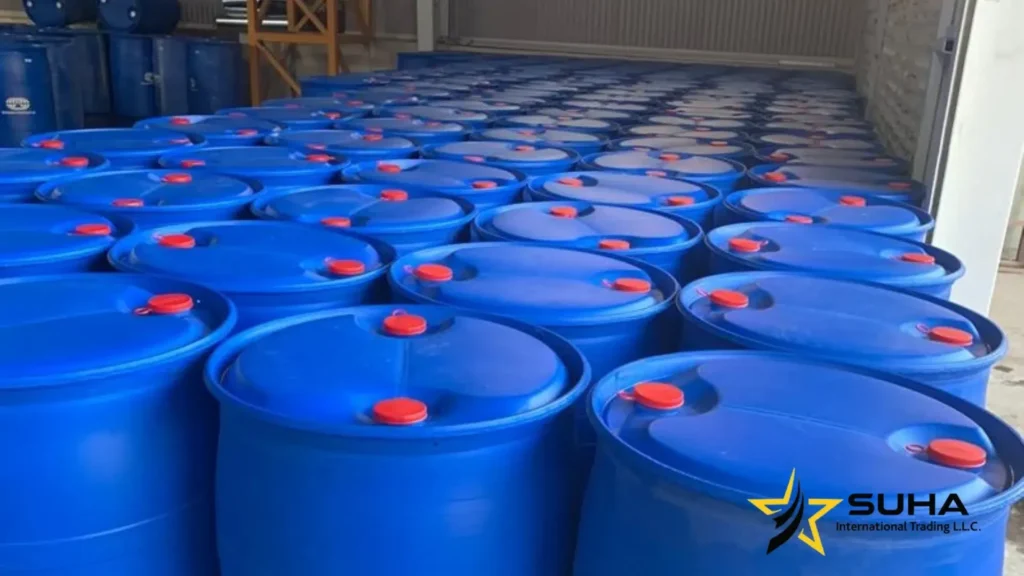
Bulk storage systems should be designed specifically for the chemical grade and quantity being stored.
Frequently Asked Questions
What is Linear Alkyl Benzene Sulphonic Acid?
Linear Alkyl Benzene Sulphonic Acid, or LABSA, is an acidic surfactant raw material primarily used to manufacture detergents and cleaning products.
What is LABSA used for?
The main LABSA uses include laundry detergents, dishwashing liquids, household cleaners, industrial cleaners, institutional detergents, and selected textile-processing applications.
Is LABSA a surfactant?
LABSA is an important raw material used to produce anionic surfactants, particularly linear alkylbenzene sulfonate salts.
What does LABSA stand for?
LABSA stands for Linear Alkyl Benzene Sulphonic Acid.
What is LABSA 96%?
LABSA 96% generally refers to a high-activity commercial grade used in detergent and surfactant manufacturing. Exact specifications should be confirmed using the product COA.
Is LABSA used in liquid soap?
LABSA can be used as a surfactant raw material in suitable liquid detergent and cleaning formulations. The complete formulation determines the characteristics of the finished product.
Is LABSA used in detergent powder?
Yes. LABSA-derived linear alkylbenzene sulfonates are widely associated with laundry detergent powders and other detergent systems.
What is the difference between LABSA and SLES?
Both are associated with detergent formulations, but they are chemically different. LABSA is an acidic surfactant raw material commonly neutralized during detergent production, while SLES is an anionic surfactant used in cleaning and personal-care formulations.
Is LABSA the same as LAS?
No. LABSA is the acid form, while LAS generally refers to linear alkylbenzene sulfonate salts produced after neutralization.
Conclusion
Linear Alkyl Benzene Sulphonic Acid (LABSA) is one of the most important raw materials used in detergent and cleaning-product manufacturing.
Its major applications include laundry detergents, detergent powders, dishwashing liquids, household cleaners, industrial cleaners, institutional detergents, and textile-processing products.
LABSA is particularly important because it is used to produce linear alkylbenzene sulfonate surfactants, which provide cleaning, wetting, emulsifying, dispersing, and foaming properties.
Businesses purchasing LABSA should compare active matter, free acid, colour, moisture, packaging, and other technical specifications before selecting a product.
Contact Boxx Chemical Distributor for LABSA specifications, COA, SDS, packaging, and commercial supply enquiries.