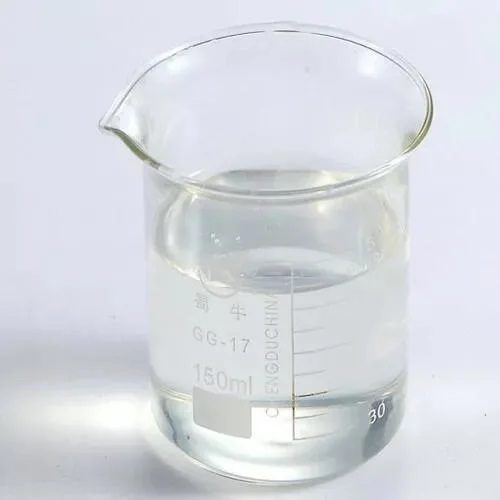
Mono Ethylene Glycol (MEG): Uses & Applications
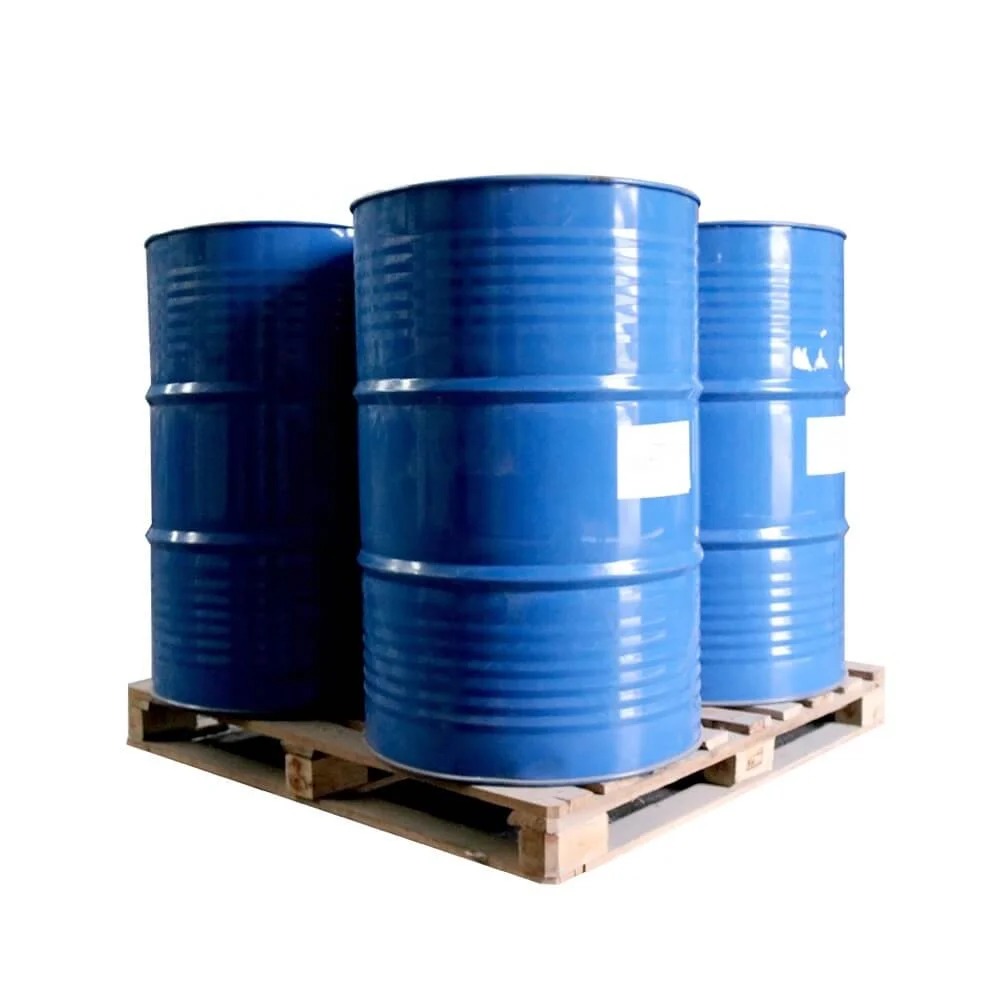
Mono Ethylene Glycol (MEG), also known as monoethylene glycol or ethylene glycol, is a clear, colourless, practically odourless and slightly viscous liquid widely used as an industrial raw material.
Its two major application areas are the manufacture of polyester and polyethylene terephthalate (PET) and the production of antifreeze and coolant formulations.
MEG is also used in heat-transfer fluids, industrial resins, coatings, adhesives, and other chemical-processing applications.
Its versatility, water miscibility, and physical properties make Monoethylene Glycol an important raw material across the plastics, textile, automotive, and chemical industries.
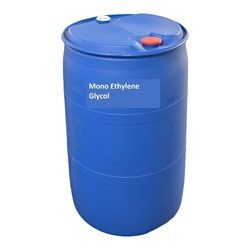
What Is Mono Ethylene Glycol?
Monoethylene glycol is an organic compound belonging to the glycol family.
Its chemical formula is C₂H₆O₂, and it contains two hydroxyl groups.
The chemical is also known by several names, including:
- Monoethylene glycol
- Mono ethylene glycol
- Ethylene glycol
- MEG
- EG
- Ethane-1,2-diol
- 1,2-Ethanediol
- Industrial glycol
MEG should not be confused with Diethylene Glycol (DEG) or Triethylene Glycol (TEG). Although these chemicals belong to the same glycol family, their physical properties and industrial applications differ.
What Is Monoethylene Glycol Used For?
The major Mono Ethylene Glycol uses include:
- PET resin manufacturing
- Polyester fibre production
- Automotive antifreeze
- Engine coolants
- Industrial heat-transfer fluids
- De-icing formulations
- Polyester resins
- Paints and coatings
- Adhesives
- Industrial chemical processing
The required grade and specification depend on the application.
1. MEG for PET Production
One of the most important applications of Mono Ethylene Glycol is the manufacture of polyethylene terephthalate (PET).
MEG reacts with suitable terephthalate feedstocks during polyester production.
PET is subsequently used to manufacture products such as:
- Beverage bottles
- Food packaging
- Plastic containers
- PET films
- Packaging sheets
- Polyester materials
This makes MEG an important raw material for the global plastics and packaging industries.
2. Mono Ethylene Glycol for Polyester Fibres
MEG is also a major raw material in the production of polyester fibres.
Polyester manufactured using MEG is used in:
- Clothing
- Sportswear
- Home textiles
- Upholstery
- Industrial fabrics
- Carpets
- Technical textiles
Polyester’s durability and versatility have made fibre manufacturing one of the major industrial markets for Mono Ethylene Glycol.
3. MEG in Antifreeze
Another well-known application is the manufacture of antifreeze formulations.
When appropriately formulated with water and other additives, ethylene glycol can lower the freezing point of the fluid.
This property makes it valuable in applications where liquids must remain functional at low temperatures.
MEG-based antifreeze formulations can be used in:
- Automotive cooling systems
- Industrial equipment
- Heating and cooling systems
- Selected process systems
Commercial antifreeze is a formulated product and should not be confused with pure Monoethylene Glycol.
4. Mono Ethylene Glycol in Engine Coolants
- MEG is widely used as a base material for automotive and industrial coolant formulations.A properly engineered coolant system needs to operate across changing temperatures.Ethylene glycol-based formulations can contribute to:
- Freeze protection
- Heat transfer
- Boiling-point management
- Cooling-system performance
Finished coolant formulations normally contain water and an appropriate inhibitor package rather than MEG alone.
5. MEG in Heat-Transfer Fluids
Mono Ethylene Glycol is also used in industrial heat-transfer applications.
MEG/water-based fluids can circulate through closed systems to transfer thermal energy between different parts of a process.
Applications can include:
- HVAC systems
- Industrial cooling
- Chillers
- Refrigeration systems
- Process cooling
- Closed-loop heat-transfer systems
The appropriate glycol concentration and inhibitor package depend on the operating environment and equipment requirements.
6. Mono Ethylene Glycol for De-Icing Applications
Ethylene glycol’s freeze-point properties also make it relevant to selected de-icing and anti-icing formulations.
Applications can include:
- Industrial de-icing systems
- Runway de-icing formulations
- Aircraft-related de-icing products
These are engineered formulations and must meet the applicable technical and environmental requirements for their intended use.
7. MEG in Resins
Mono Ethylene Glycol can also serve as a raw material or intermediate in resin production.
Applications can include:
- Polyester resins
- Alkyd resins
- Coating resins
- Polymer systems
These resins are subsequently incorporated into coatings, composites and other manufactured products.
8. MEG in Paints and Coatings
Mono Ethylene Glycol has applications in selected paint, coating, dye and ink systems.
Depending on the formulation, glycol-related functions may include:
- Solvent applications
- Processing assistance
- Humectant functions
- Formulation control
The exact role depends on the chemistry of the finished formulation.
9. Mono Ethylene Glycol in Adhesives
MEG can also be incorporated into selected adhesive and binder systems.
Potential applications include:
- Water-based adhesives
- Industrial bonding formulations
- Polymer systems
- Manufacturing intermediates
Formulators should select the appropriate grade according to compatibility and performance requirements.
Mono Ethylene Glycol Properties
Typical identification and physical properties include:
| Property | Information |
| Chemical Name | Mono Ethylene Glycol |
| Abbreviation | MEG |
| Chemical Formula | C₂H₆O₂ |
| CAS Number | 107-21-1 |
| Molecular Mass | Approx. 62.07 g/mol |
| Appearance | Clear, colourless liquid |
| Odour | Practically odourless |
| Physical Form | Viscous liquid |
| Boiling Point | Approx. 197°C |
| Melting/Freezing Point | Approx. -13°C |
| Density | Approx. 1.11 at 20°C |
| Water Solubility | Miscible |
| Main Applications | PET, polyester, antifreeze and coolants |
Exact commercial specifications depend on product grade and manufacturer.
Mono Ethylene Glycol Grades
Different industrial applications can require different MEG specifications.
Fibre Grade MEG
Fibre-grade Monoethylene Glycol is primarily associated with:
- Polyester fibre production
- PET resin manufacturing
- Polymer production
These applications can require tight control of purity and impurities.
Industrial or Technical Grade MEG
Industrial grades may be used in the following:
- Antifreeze formulations
- Coolants
- Heat-transfer fluids
- Resins
- Industrial processing
- Chemical formulations
Buyers should always compare their required specification with the supplier’s Certificate of Analysis.
MEG vs DEG vs TEG
Monoethylene glycol is one member of a broader glycol family.
MEG – Mono Ethylene Glycol
Major applications include PET, polyester fibres, antifreeze and coolant formulations.
DEG – Diethylene Glycol
DEG has different physical characteristics and is used in applications such as selected resins, solvents, and chemical manufacturing.
TEG – Triethylene Glycol
TEG is particularly associated with applications such as natural-gas dehydration and other specialized industrial processes.
These glycols should not be treated as interchangeable chemicals.
Is Monoethylene Glycol the Same as Ethylene Glycol?
No.
MEG is a chemical raw material used to manufacture many antifreeze products.
Commercial antifreeze is normally a formulated product containing ethylene glycol or another glycol together with water, corrosion inhibitors, and other additives.
Therefore:
MEG = chemical raw material
Antifreeze = finished formulation
Mono Ethylene Glycol Storage
MEG should be stored according to the supplier’s Safety Data Sheet and technical recommendations.
General considerations include:
- Use compatible storage containers
- Keep containers securely closed
- Prevent contamination
- Store away from incompatible substances
- Maintain appropriate spill-control measures
- Protect storage systems from uncontrolled water or contamination ingress
Bulk storage facilities should be designed for the product specification and quantities being handled.
Frequently Asked Questions
What is Mono Ethylene Glycol?
Mono Ethylene Glycol (MEG) is a clear, colourless glycol primarily used as a raw material for polyester and PET production and in antifreeze, coolant and heat-transfer formulations.
What is MEG used for?
Major MEG uses include PET resin, polyester fibres, antifreeze, engine coolants, heat-transfer fluids, de-icing formulations and selected resin and chemical-manufacturing applications.
What is the formula for Mono Ethylene Glycol?
The chemical formula for Mono Ethylene Glycol is C₂H₆O₂.
What is the CAS number for MEG?
The CAS number for Mono Ethylene Glycol is 107-21-1.
Is MEG the same as ethylene glycol?
Yes. Mono Ethylene Glycol and ethylene glycol generally refer to the same chemical compound.
Is MEG used to make PET?
Yes. Mono Ethylene Glycol is a major raw material used in the manufacture of polyethylene terephthalate (PET).
Is Mono Ethylene Glycol used in antifreeze?
Yes. MEG is widely used as a base chemical in appropriately formulated automotive and industrial antifreeze products.
What is the difference between MEG and DEG?
MEG is Mono Ethylene Glycol, while DEG is Diethylene Glycol. They have different molecular structures, physical properties, and industrial applications.
Conclusion
Monoethylene Glycol (MEG) is an important industrial raw material used across the plastics, textile, automotive, and chemical industries.
Its largest applications are associated with PET resin and polyester fibre manufacturing, while its thermal properties make it an important raw material for antifreeze, coolant and heat-transfer formulations.
MEG also has applications in resins, coatings, adhesives and other industrial chemical processes.
Companies sourcing Mono Ethylene Glycol should select the appropriate grade according to purity requirements, application, technical specification and downstream manufacturing process.
Contact Boxx Chemical Distributor for product specifications, documentation and commercial Mono Ethylene Glycol supply enquiries.