What Is Butyl Acetate Used For?
What is butyl acetate used for? Learn its industrial applications in coatings, adhesives, inks, and chemical manufacturing.
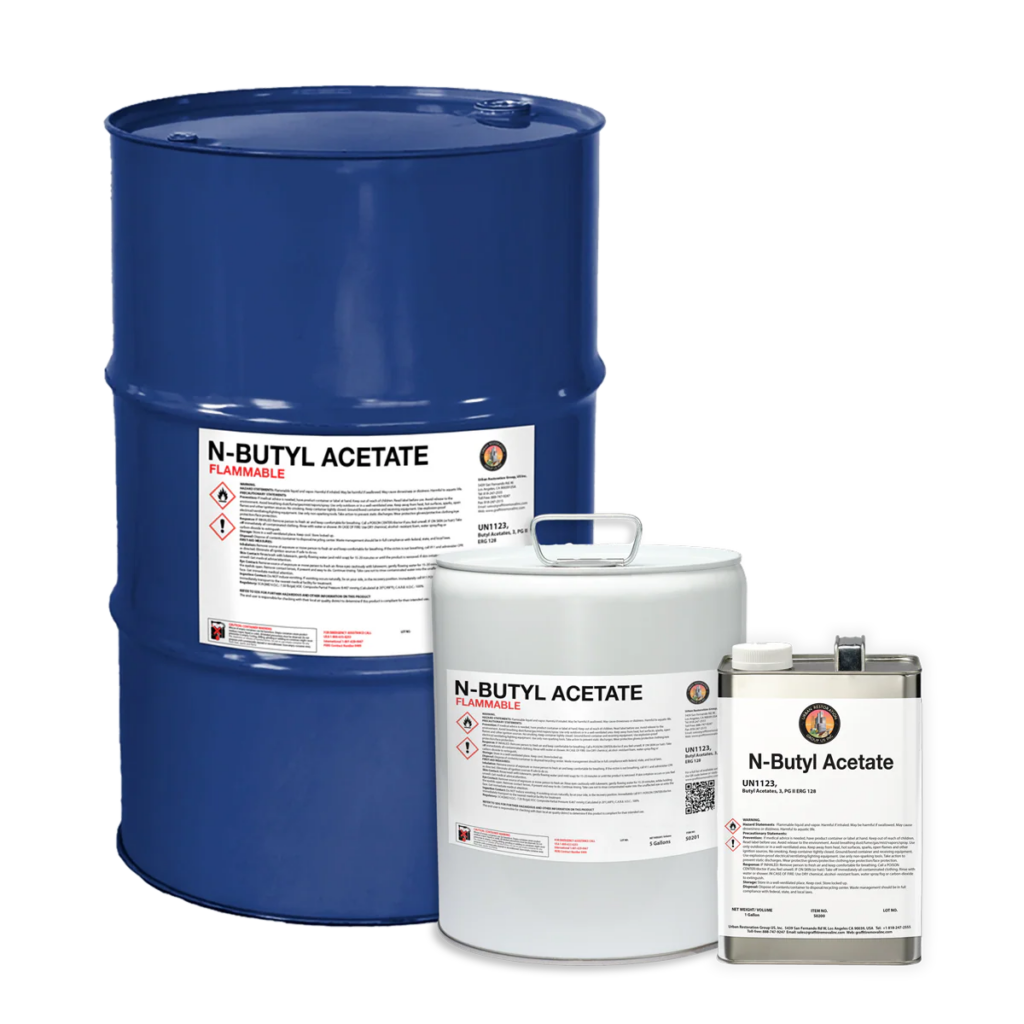
Butyl acetate is a widely used industrial solvent known for its effectiveness in coatings, adhesives, and chemical formulations.
Its balanced evaporation rate and solvency make it essential in many manufacturing processes.
Main Uses of Butyl Acetate
Butyl acetate is commonly used in:
- Paints and coatings
- Adhesives and sealants
- Printing inks
- Chemical manufacturing
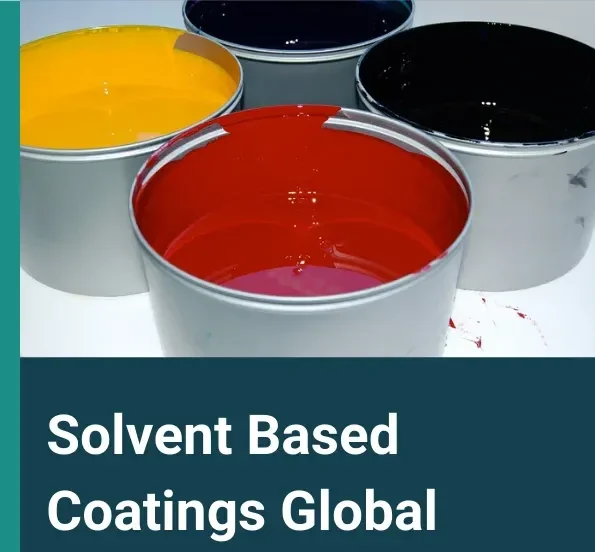
Coatings and Paint Industry
Butyl acetate is widely used as a solvent in paints and coatings, helping improve:
- Flow and leveling
- Film formation
- Drying performance
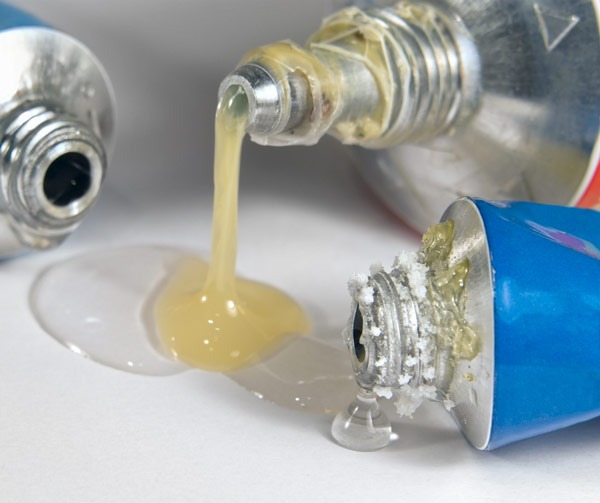
Adhesives and Sealants
In adhesives, it helps dissolve resins and improve application consistency and bonding performance.
Printing Inks
Used to control:
- Viscosity
- Drying time
- Ink stability
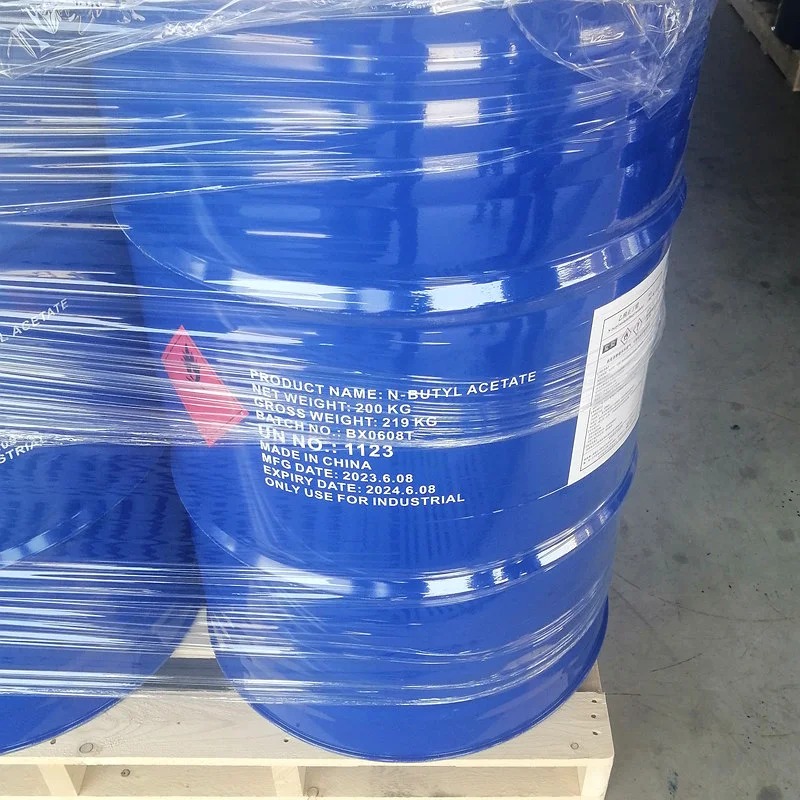
Chemical Manufacturing
Butyl acetate is also used as a process solvent and intermediate in industrial chemical production.
Why It Is Widely Used
Manufacturers prefer butyl acetate because it offers:
- Good solvency
- Moderate evaporation rate
- Cost-effective performance
Chemical Manufacturing
Butyl acetate is also used as a process solvent and intermediate in industrial chemical production.
Industrial Supply of Butyl Acetate
Industries requiring consistent solvent properties depend on reliable supply chains.
Conclusion
The density of butyl acetate (approximately 0.88 g/mL) is a critical property that influences its behavior in coatings, adhesives, and industrial formulations.
Understanding this property helps manufacturers ensure accurate formulation, efficient processing, and consistent product performance.