Butyl Acetate vs Ethyl Acetate: Key Differences
Butyl acetate vs ethyl acetate comparison, including properties, evaporation rate, and industrial uses in coatings, adhesives, and solvents.
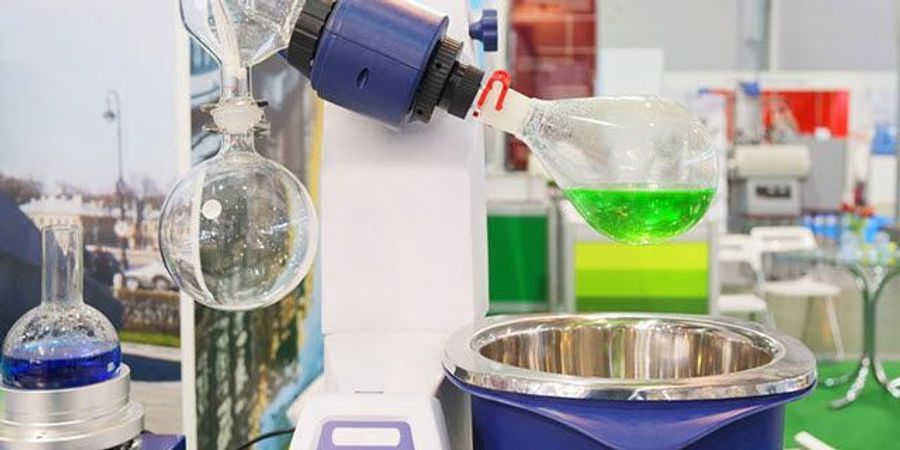
Understanding the difference between butyl acetate and ethyl acetate is important for selecting the right solvent in industrial applications.
Both are widely used, but they differ in evaporation rate, solvency, and performance.
Key Differences
| Density | ~0.88 g/mL | ~0.90 g/mL |
| Boiling Point | ~126°C | ~77°C |
| Evaporation | Slower | Faster |
| Odor | Fruity | Fruity |
Evaporation Rate
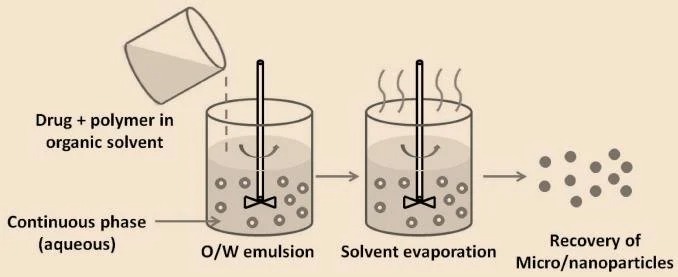
Ethyl acetate evaporates faster, making it suitable for quick-drying applications.
Butyl acetate evaporates more slowly, allowing better film formation in coatings.
Industrial Applications
Butyl Acetate
- Coatings
- Adhesives
- Inks
Ethyl Acetate
- Pharmaceuticals
- Nail polish removers
- Extraction processes
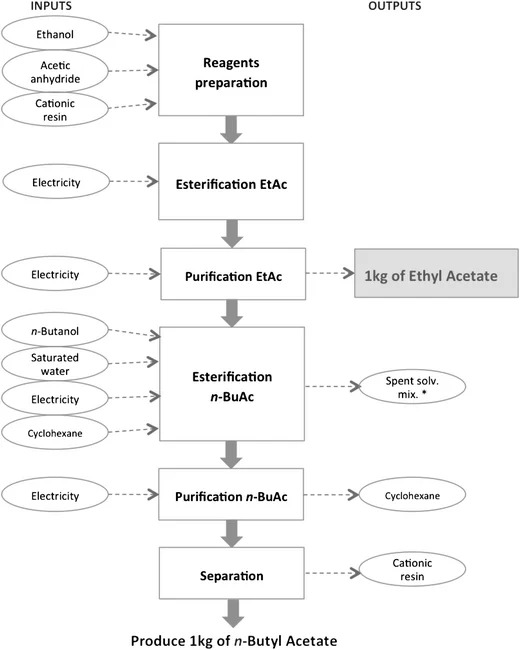
Which One Should You Use?
Choose based on:
- Required drying time
- Solvent strength
- Application type
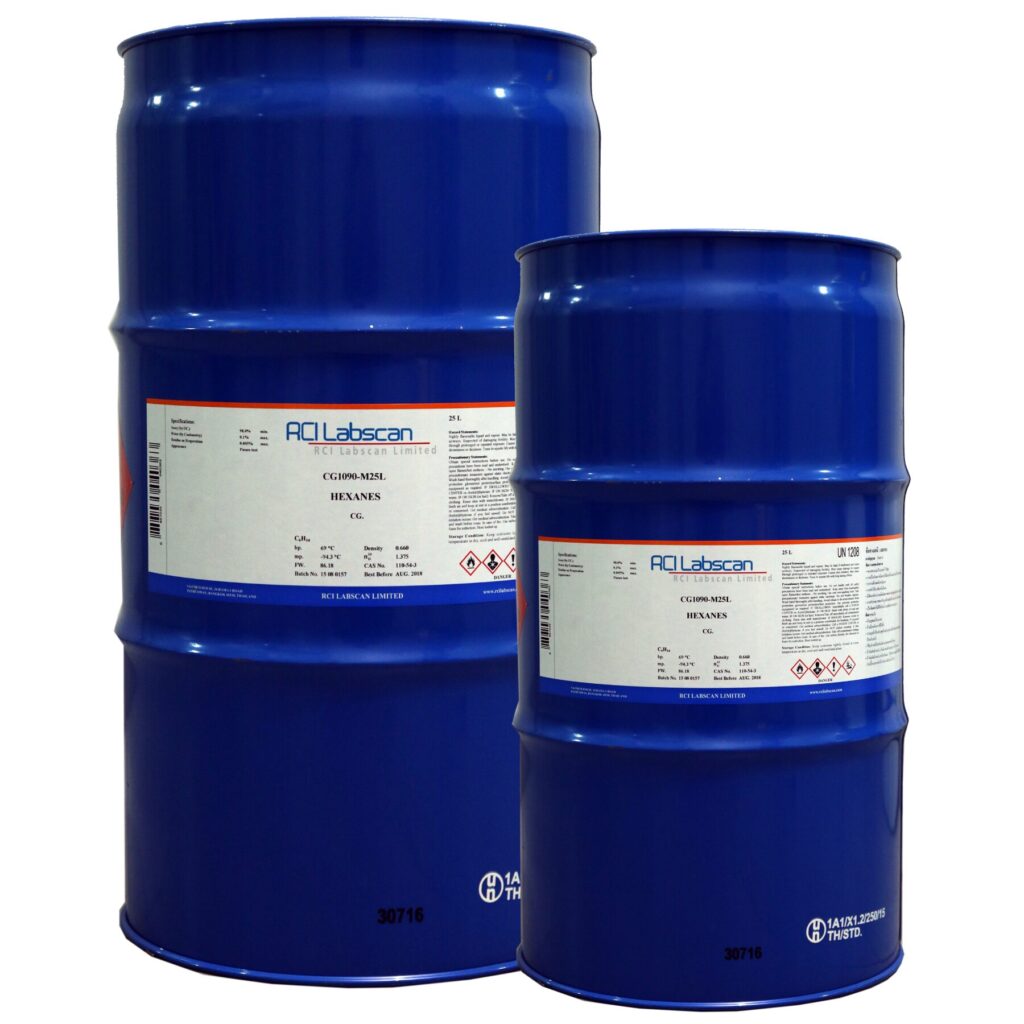
Industrial Supply
Industries requiring consistent solvent properties depend on reliable supply chains.
👉 View product supply and specifications:
Butyl Acetate Product Page
Conclusion
The density of butyl acetate (approximately 0.88 g/mL) is a critical property that influences its behavior in coatings, adhesives, and industrial formulations.
Understanding this property helps manufacturers ensure accurate formulation, efficient processing, and consistent product performance.