Industrial Uses of Cyanide Compounds
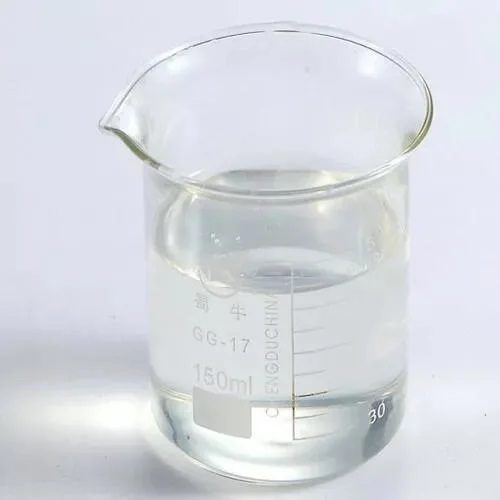
Sodium Cyanide (NaCN): A white crystalline solid, highly soluble in water. Extensively used in gold mining and as an industrial cyanide in chemical processing.
Introduction
Many people ask, “In the industry, cyanide compounds are widely used during which processes?” The answer includes gold mining, silver extraction, electroplating, metallurgy, chemical manufacturing, and metal finishing operations. Cyanide compounds remain essential industrial chemicals because they efficiently dissolve metals, support chemical synthesis, and improve manufacturing processes.
Although cyanide compounds are highly effective, they must be handled under strict safety and environmental regulations to protect workers and the environment.
What Are Cyanide Compounds?
Cyanide compounds contain the cyanide ion (CN⁻) and are commonly supplied as:
- Sodium Cyanide (NaCN)
- Potassium Cyanide (KCN)
- Calcium Cyanide (Ca(CN)₂)
- Hydrogen Cyanide (HCN)
These compounds are widely used because they can react with and dissolve certain metals efficiently.
In the industry, cyanide compounds are widely used during gold mining
The largest industrial application of cyanide compounds is the extraction of precious metals. Cyanide is used in gold and silver recovery because it selectively dissolves precious metals from ores, enabling efficient extraction even from low-grade deposits. Gold cyanidation remains one of the most widely used gold recovery methods globally.
Common Mining Applications
- Gold extraction
- Silver extraction
- Heap leaching
- Carbon-in-Pulp (CIP)
- Carbon-in-Leach (CIL)
- Mineral processing operations
Because cyanide forms water-soluble gold complexes, it enables efficient recovery of valuable metals from mined ore.
Cyanide Compounds in Electroplating
In industry, cyanide compounds are widely used during electroplating operations. Cyanide-based solutions help deposit thin layers of metals such as gold, silver, copper, cadmium, platinum, and zinc onto metal surfaces. These coatings improve corrosion resistance, conductivity, and appearance.
Electroplating Uses
- Gold plating
- Silver plating
- Copper plating
- Jewelry manufacturing
- Electronic components
- Printed circuit boards (PCBs)
Cyanide Compounds in Metallurgy
The metallurgical industry uses cyanide compounds during metal treatment and mineral separation processes. Cyanide helps recover valuable metals while improving the efficiency of ore concentration systems.
Metallurgical Applications
- Ore beneficiation
- Metal recovery
- Mineral flotation
- Metal surface treatment
- Steel hardening processes
Cyanide Compounds in Chemical Manufacturing
Cyanide compounds are important raw materials used during the production of many industrial chemicals. They are involved in the manufacture of nitriles, plastics, synthetic fibers, dyes, pharmaceuticals, and specialty chemicals.
Chemical Products Derived from Cyanide
- Acrylic fibers
- Nylon intermediates
- Specialty polymers
- Pharmaceutical ingredients
- Industrial solvents
- Chemical intermediates
Forms of Cyanide
Cyanide appears in several forms, each with distinct characteristics and applications:
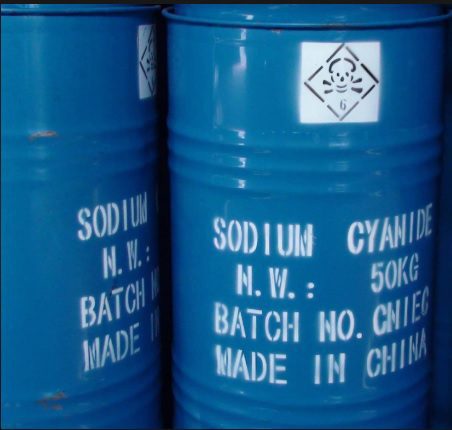
- Sodium Cyanide (NaCN): A white crystalline solid, highly soluble in water. Extensively used in gold mining and as an industrial cyanide in chemical processing.
- Potassium Cyanide (KCN): Similar properties to sodium cyanide, often used in electroplating and chemical synthesis.
- Hydrogen Cyanide (HCN): A volatile liquid that can form cyanide gas at room temperature. It is used in chemical manufacturing but requires extreme care in handling.
- Organic Cyanides (Nitriles): Molecules where the cyanide group is bound to carbon, forming part of different organic compounds widely used in pharmaceuticals and polymers.
- Inorganic Compounds: This includes cyanide salts, such as sodium and potassium cyanide, which are grouped under inorganic substances.
Cyanide in Organic and Inorganic Chemistry
Organic Chemistry
In organic chemistry, cyanide functions as a building block for many organic compounds. It is used to synthesize pharmaceuticals, dyes, and agrochemicals. The organic chemistry compound category of nitriles, for example, is produced by attaching the cyanide group to carbon chains.
Inorganic Chemistry
As an inorganic compound, cyanide plays a central role in heavy industries. Sodium cyanide and Potassium cyanide are widely used chemicals for mineral extraction, surface finishing, and industrial synthesis. These inorganic substances are critical to the chemical industry but require controlled handling due to their toxicity.
Cyanide in Industry: What is it Used For?
Mining & Metallurgy
Cyanide is most famously used in the cyanidation process for the extraction of gold and silver. In gold processing plants, sodium cyanide dissolves precious metals from ore, making it a cornerstone of the mining industry.
Electroplating & Metal Processing
Potassium cyanide is used in electroplating, where it facilitates the deposition of smooth and durable coatings of precious metals, such as gold and silver.
For bulk supply, see our Sodium Cyanide Product Page with complete specifications, COA, and MSDS
onto base metals.
Chemical Manufacturing
Cyanide is an intermediate in producing:
- Synthetic organic chemistry compounds
- Plastics and resins
- Pigments and dyes
- Agrochemicals and pharmaceuticals
Natural Presence
Trace amounts of cyanide appear in bitter almonds, certain beans, and the pits of stone fruits. While naturally occurring, these are biologically significant because they show how cyanide exists outside of industrial contexts.
Cyanide Safety and Chemical Information
While cyanide has many valuable uses, it is also a toxic chemical substance. Both hydrogen cyanide gas and soluble salts like sodium and potassium cyanide can be lethal in small amounts. This is why strict safety measures are required.
Safety Protocols for Industrial Cyanide
- Personal Protective Equipment (PPE): Workers handling cyanide must use gloves, masks, and protective suits.
- Training & Documentation: Every batch must include a COA (Certificate of Analysis) and MSDS (Material Safety Data Sheets) with complete chemical information.
- Environmental Precautions: Waste management systems ensure no accidental release into water or soil.
- Emergency Procedures: Facilities using cyanide must have antidotes and response systems in place.
We supply sodium cyanide and other industrial cyanide compounds in compliance with international safety standards — learn more on our Sodium Cyanide page.
Cyanide in Perspective
Cyanide is a double-edged chemical compound: it is dangerous in uncontrolled conditions, yet essential in industrial applications when managed correctly. Its presence in both organic chemistry and inorganic chemistry makes it unique among chemical substances.
For industries like mining, chemical manufacturing, and metal finishing, cyanide remains indispensable. At the same time, strict adherence to safety and regulations ensures that its use aligns with environmental and human health protections.
Conclusion
Cyanide is a double-edged chemical compound: it is hazardous in uncontrolled conditions, yet essential in industrial applications when properly managed. Its presence in both organic chemistry and inorganic chemistry makes it unique among chemical substances.
For industries like mining, chemical manufacturing, and metal finishing, cyanide remains indispensable. At the same time, strict adherence to safety and regulations ensures that its use aligns with environmental and human health protections.