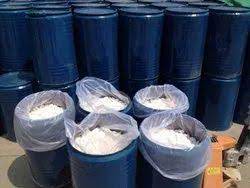
Poly Aluminum Chloride (PAC)
Poly Aluminum Chloride (PAC) – An Essential Water Treatment Chemical
Poly Aluminum Chloride (PAC) is a widely used inorganic polymer coagulant applied in water treatment, wastewater processing, and industrial effluent management. It is known for its high efficiency in removing turbidity, suspended solids, and organic matter.
Compared to traditional coagulants, PAC offers improved performance, lower sludge production, and more stable water quality results.
What Is Poly Aluminum Chloride?
Poly Aluminum Chloride is a pre-hydrolyzed aluminum salt, typically supplied as a liquid or powder. It works by neutralizing negatively charged particles in water, allowing them to aggregate and settle more easily.
Because of this mechanism, PAC is highly effective across a wide pH range and performs well even in cold water conditions.
Applications of Poly Aluminum Chloride
PAC is commonly used in:
- Drinking Water Treatment – Clarification and turbidity removal
- Wastewater Treatment – Industrial and municipal effluent processing
- Paper & Pulp Industry – Retention and drainage aid
- Textile & Dye Effluents – Color and impurity removal
- Industrial Water Systems – Pre-treatment and process water conditioning
Its versatility makes it a preferred choice for many treatment plants.
Benefits of Using Poly Aluminum Chloride
- Faster floc formation
- Lower dosage compared to alum
- Reduced sludge volume
- Effective over a wide pH range
- Improved treated water clarity
As a result, many facilities are switching from conventional aluminum salts to PAC.
PAC vs Aluminium Chloride Solution
While Poly Aluminum Chloride is a polymerized coagulant designed mainly for water treatment, Aluminium Chloride Solution is often used in chemical synthesis, catalysis, and specific industrial processes.
👉 For applications requiring aluminium chloride solution, view our dedicated supply page here:
Aluminium Chloride Solution – Industrial Supply
Aluminium Chloride Solution – Industrial Supply
Conclusion
Poly Aluminum Chloride remains one of the most effective and reliable coagulants in modern water treatment systems. Its efficiency, adaptability, and cost effectiveness make it essential for both municipal and industrial applications.