Potassium Sorbate Shelf Life: Everything You Need to Know for Safe & Effective Use
Potassium sorbate is one of the most widely used food-grade preservatives globally, valued for its ability to inhibit mold, yeast, and bacterial growth. If you’re working in food processing, cosmetics, beverages, or personal care manufacturing, understanding the shelf life of potassium sorbate is crucial for maintaining product quality, safety, and regulatory compliance.
In this guide, we explain how long potassium sorbate lasts, how to store it properly, how to detect degradation, and best practices to maximize its stability.
What Is the Shelf Life of Potassium Sorbate?
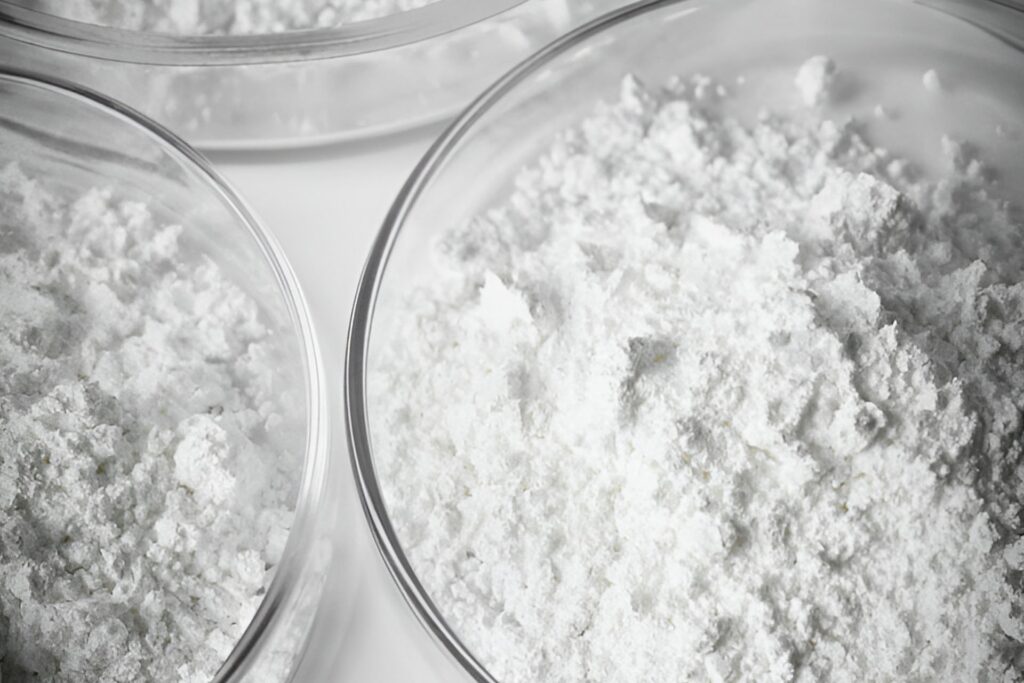
The typical shelf life of potassium sorbate is 2 to 3 years from the date of manufacture when stored under ideal conditions. Many suppliers specify a 36-month shelf life; however, this can vary depending on:
- Purity level
- Manufacturing process
- Packaging type
- Storage temperature
- Exposure to moisture or light
Properly stored potassium sorbate can remain effective beyond its labeled shelf life, but potency may decrease gradually over time.
Does Potassium Sorbate Expire?
Yes. Like all food-grade preservatives, potassium sorbate has an expiration date, typically listed on the manufacturer’s Certificate of Analysis (COA) or product label.
After expiry, the preservative may:
- Lose its antimicrobial effectiveness.
- It becomes less stable when mixed into formulas.
- Require higher usage levels to achieve the same effect.
- It is unsuitable for regulatory-compliant production.
Always check manufacturing and expiration dates when buying in bulk.
How to Store Potassium Sorbate to Maximize Shelf Life
✔ Ideal Storage Conditions
- Store in a cool, dry environment (20–25°C)
- Keep packaging tightly sealed.
- Protect from moisture (hygroscopic material)
- Keep away from direct sunlight.
- Store in polypropylene, paper-lined, or sealed bags
- Avoid high-humidity environments.
Potassium sorbate absorbs moisture quickly—moisture is the #1 factor that reduces shelf life.
✔ Packaging Matters
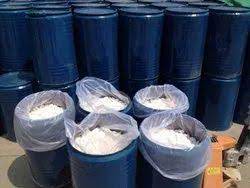
Bulk potassium sorbate is commonly supplied in:
- 25kg bags
- Fiber drums
- Lined paper kraft bags
- 1-ton jumbo bags
Unopened packaging lasts longer than opened containers.
Signs Your Potassium Sorbate Is No Longer Good
Even before expiration, sure signs indicate that the product may have degraded:
- Clumping or caking (moisture absorption)
- Discoloration (yellowing)
- Strange odor
- Reduced solubility
- Ineffective preservation performance
If any of these appear, avoid using them in food or cosmetic products.
Does Potassium Sorbate Degrade After Opening?
Yes. Once opened, the preservative becomes more vulnerable to:
- Air exposure
- Moisture
- Environmental contaminants
Best practice:
Transfer opened material into an airtight, sealed container and label with:
Transfer opened material into an airtight, sealed container and label with:
- Date opened
- Batch number
- Remaining shelf life
- Expiry date
How Long Does Potassium Sorbate Last in Formulations?
✔ In Food Products:
Potassium sorbate remains stable throughout the product shelf life, provided pH and concentration are correct. Its antimicrobial activity works best at pH 4.0–6.5.
✔ In Cosmetics & Personal Care:
Once incorporated into lotions, creams, and serums, stability depends on:
- pH level
- Temperature
- Product viscosity
- Exposure to air or contamination
- Presence of natural ingredients that degrade faster
A typical product containing potassium sorbate will remain stable until its natural expiry date.
✔ In Beverages:
Very stable when pH is below 5.5 and combined with benzoic acid or citric acid.
Does Temperature Affect Potassium Sorbate Shelf Life?
Yes — high temperatures can accelerate breakdown.
Avoid storing above 30°C.
Heat speeds up oxidation and reduces preservative potency.
Heat speeds up oxidation and reduces preservative potency.
If kept in humid, hot warehouses, shelf life can shorten to 18–24 months or less.
How to Ensure You’re Buying Fresh Potassium Sorbate
When sourcing bulk quantities, always request:
- Certificate of Analysis (COA)
- MSDS/SDS
- Manufacturing date
- Expiry date
- Purity level (typically 98%–101%)
Also, verify that suppliers maintain the proper storage environment.
Pro Tip: Choose suppliers with high warehouse turnover for fresher stock.
Frequently Asked Questions About Potassium Sorbate Shelf Life
1. What is the typical shelf life of potassium sorbate powder?
About 2–3 years when stored correctly.
2. Can potassium sorbate still work after expiry?
Yes, but effectiveness decreases. Use caution for regulated food or cosmetic applications.
3. Does potassium sorbate go bad faster after opening?
Yes — moisture and air exposure shorten its effective life.
4. How should potassium sorbate be stored?
In a calm, dry, sealed environment away from sunlight and humidity.
5. Should I refrigerate potassium sorbate?
No. Room-temperature storage is preferred.
6. Does potassium sorbate degrade in liquid?
It remains stable when dissolved, provided pH is controlled.
Conclusion – How Long Does Potassium Sorbate Last?
The shelf life of potassium sorbate generally ranges from 24 to 36 months, but actual performance depends on storage conditions and the time elapsed since opening. Whether you’re using it in food preservation, cosmetics, beverages, or industrial formulations, proper handling ensures maximum effectiveness and safety.
For businesses buying in bulk, always partner with suppliers who maintain strict storage standards and provide complete documentation.
Partner with Boxx Chemical Distributor. Supplier of high-quality preservatives with COAs and MSDS for food, cosmetic, and industrial applications.
📞 Call/WhatsApp: +27 633 530 085
📧 Email: sa***@*****************or.com
📧 Email: sa***@*****************or.com